Handmade products are more popular than ever. They’re unique, crafted with care, and often make responsible, thoughtful gifts. But why exactly are they so special? Today, let’s explore why buying from a local artisan or small craft shop is more meaningful than opting for mass-produced items.
The Charm of Handmade: Unique, Imperfect, and Personal
When you’re looking for a gift—or even something for yourself—you want something that stands out. Not a mass-produced item that hundreds of people already own, but something handmade. Handmade products carry personality: tiny imperfections that make each item truly one-of-a-kind. And isn’t that what makes a gift meaningful?
Unlike factory-made goods, a handmade product doesn’t have to be 100% perfect. Those small variations and “happy mistakes” tell the story of the person who created it, making it a thoughtful and responsible choice.
Handmade Gifts: Unique and Thoughtful
Receiving a gift is always special—but receiving something unique takes it to the next level. Sure, anyone can pick up a tote bag at a big retail chain, or a bottle of body lotion from a pharmacy. There’s nothing wrong with that; these items meet high standards and are widely accessible. But they’re predictable.
Handmade gifts, on the other hand, have character. Each piece is individually crafted, so no two are exactly alike. That makes them perfect for anyone who appreciates something special, personal, and crafted with care.
Why Shopping Local Matters
Buying from local artisans or small businesses supports independent creators. Etsy famously promoted the message “Shop Small, Stand With Small” in 2020, and it’s just as relevant today. While big corporations continue to earn their profits, local makers often work tirelessly for every single sale.
As someone who sells handmade items, I can tell you firsthand: it’s not easy. Marketing budgets are tiny or non-existent, and every sale represents hours of work. Even a small Instagram post leading to two sales can feel like a win.
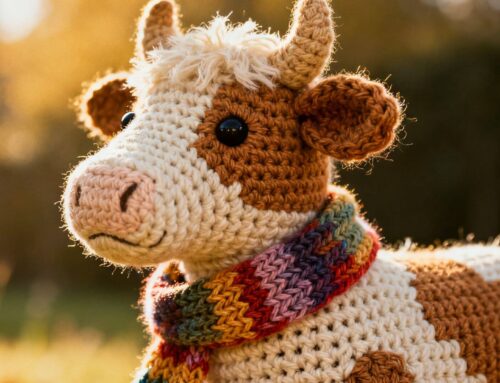
So, if your neighbor makes soap, or your cousin’s friend crochets adorable stuffed animals, buying their products directly helps them continue their passion. You know their work is crafted with love, attention, and high-quality ingredients or materials—something mass production simply cannot replicate.
Handmade and Fair Trade
Handmade doesn’t just mean unique—it can also mean ethical and fair trade. For example, I’ve made soap using only fair trade, natural ingredients. Sure, it costs a bit more, but the quality is exceptional.
Many small businesses or artisans collaborate with fair trade communities. Take, for example, the Roll On Bracelet brand, which works with women in India to handcraft bracelets. Each purchase ensures that the artisan receives fair compensation, while also supporting sustainable, ethical production practices. Compare that to a mass-produced bracelet from a big fast-fashion chain—handmade choices just feel better, ethically and emotionally.
Is Handmade Always Responsible?
Not always. It depends on the product and the maker. Sometimes, “handmade” is more a marketing label than a guarantee of ethical or sustainable practices.
However, small-scale production often has less environmental impact. A solo artisan making soap, crochet items, or jewelry will produce only what’s needed, unlike factories producing vast quantities, which may go unsold and contribute to waste. Many artisans also choose fair trade or eco-friendly materials and avoid products made in exploitative conditions.
In short, handmade products are far more likely to be responsible than mass-produced alternatives, both environmentally and ethically.
The Joy of Buying Handmade
At the end of the day, handmade products are fun, personal, and meaningful. If you’re looking for a gift—or something special for yourself—consider visiting a local artisan. That could be a neighbor making soap, a friend of a relative crocheting stuffed animals, or someone handcrafting jewelry.
You’ll discover a world of creativity, care, and individuality that mass-produced goods simply can’t offer. And honestly? That’s a gift in itself.
With love,
Adinda