So, you want to learn how to crochet? How fun! In this blog series, “Crochet for Beginners,” we start right at the foundation. In this first part, we’ll cover the basic crochet stitches, the essential do’s and don’ts, and I’ll share five easy (but super fun) starter patterns. Ready to dive in?
Crochet is currently very popular—but why? The technique itself has been around for centuries. As a relative of lace-making and knitting, crochet offered a new way to create handmade clothing and accessories. People who struggled with two knitting needles often found they could manage perfectly with a single crochet hook.
That said, crochet and knitting are very different techniques. So when someone says, “Oh, what are you knitting?” most crocheters quickly reply: Crocheting! But enough about the history—you’re here for the basics, right?
Basic Crochet Stitches
In crochet, there are several fundamental stitches that appear in almost every pattern. The most common ones are:
-
Chain (turning chain)
-
Slip stitch
-
Single crochet
-
Double crochet
-
Increase
-
Decrease
Let’s break them down.
Chain (Turning Chain)
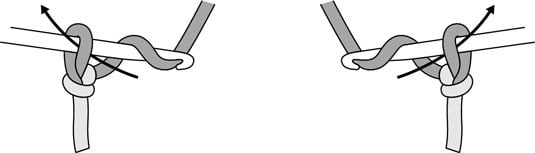
A chain stitch is made by pulling one loop through the loop already on your hook.
How to:
-
Yarn over (wrap the yarn around your hook).
-
Pull the yarn through the loop on your hook.
This stitch is often used to start projects or to create turning chains.
Slip Stitch
A slip stitch is used to join rounds or move your yarn without adding height.
How to:
-
Insert your hook into the stitch.
-
Yarn over.
-
Pull the yarn through the stitch and the loop on your hook in one motion.
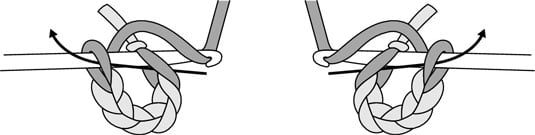
Single Crochet
The single crochet is one of the most commonly used stitches.
How to:
-
Insert your hook into the next stitch.
-
Yarn over and pull up a loop (you now have two loops on your hook).
-
Yarn over again and pull through both loops.
You’re back to one loop on the hook.

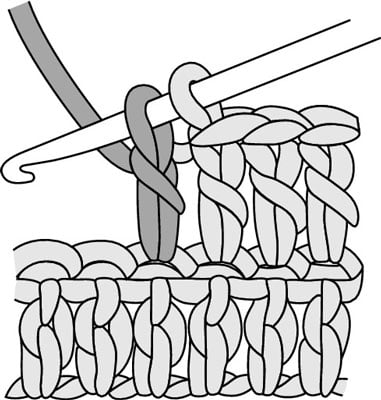
Double Crochet
This stitch creates more height and works up faster than single crochet.
How to:
-
Yarn over before inserting your hook.
-
Insert the hook into the next stitch and pull up a loop (three loops on hook).
-
Yarn over and pull through the first two loops.
-
Yarn over again and pull through the remaining two loops.
You now have one loop left on your hook.
Increase
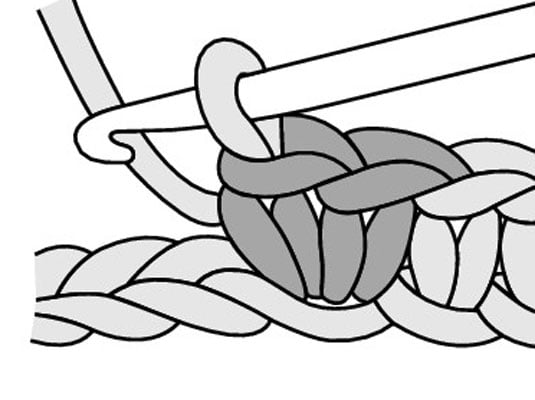
An increase simply means making two stitches in the same stitch. This is often used to make your work wider or to shape amigurumi.
Decrease
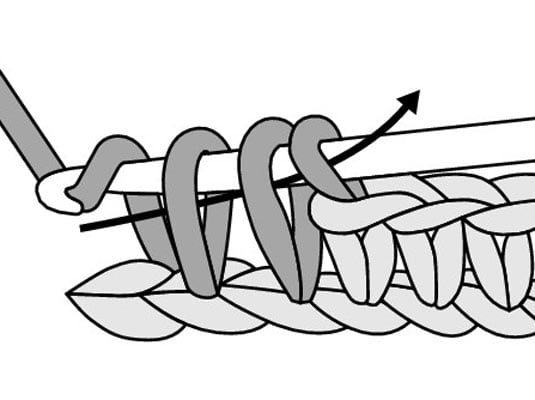
A decrease means crocheting two stitches together to reduce the stitch count.
There are several ways to decrease. My preferred method is using only the front loops of the next two stitches. This creates fewer visible holes because the back loops help fill the gap.
Practice Makes Perfect
Before jumping into a full project, practice the basic stitches with a small piece of yarn. Pay attention to:
-
How you hold your hook
-
How you tension your yarn
-
Keeping your stitch tension consistent
Consistent tension prevents uneven stitches that are too tight or too loose. Personally, I wrap the yarn once around my pinky to keep it under control—otherwise it tends to develop a mind of its own!
Feeling confident? Then it’s time to try some beginner-friendly patterns.
Fun Beginner Crochet Patterns to Try
Once you’ve practiced the basics, try one of these easy and enjoyable starter projects:
-
Baby Mouse (free pattern)
-
Scented Sachet (free pattern)
These projects are perfect for building confidence while keeping things fun and creative.
Final Thoughts
Learning to crochet may feel tricky at first, but once you master the basic stitches, a whole creative world opens up. Take your time, practice regularly, and most importantly—enjoy the process.
Happy crocheting!
With love,
Adinda