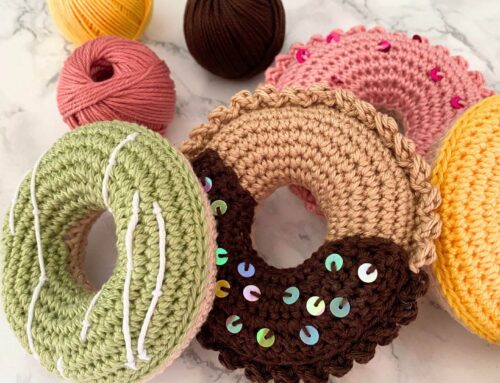
Today a post about ‘How to sell handmade crochet- and knit items: Beginner Guide part 1’. Selling your handmade knits or crochet projects can be incredibly fun and rewarding. Not only do you get to share your creations with others, but you can also earn a nice extra income. However, turning your hobby into a profitable business isn’t always as simple as it seems. In this blog, the first part of a series, I’ll walk you through some essential tips and considerations if you want to start selling your handmade products.
Selling your creations: a dream or a challenge?
Starting to sell your handmade products can feel like a dream, but it certainly comes with its challenges. Today, I’ll give you a glimpse into my selling strategy and share things you should consider before diving in. Let’s be honest: anyone can sell something… right?
In this first part, we’ll cover:
-
The basics of selling
-
Where you can sell your products
-
How to set your prices
1. Can anyone sell?
Yes, anyone can sell! But there’s more involved than just putting your creations somewhere. You need to decide where you’re going to sell—at a local market, on an online marketplace, on your own website, or maybe on Etsy? Each option has its pros and cons. Sometimes, a combination of multiple channels is even the best approach.
Before you start, it’s important to understand the basics. What do you need? Which tools can help you? And have you read the fine print?
2. Platforms, websites, and price wars
There are different platforms where you can sell your products. Some are free, like Vinted, but you can quickly get lost on page 120—far away from potential customers. Here’s a top 3 of options to get started:
Your own website:
If you’re considering starting an online store, you can register your own domain and build a website. Super fun, but don’t forget about costs like hosting and domain registration. And if you decide to stop after a few months, you’re often still stuck with annual fees.
Platforms like Etsy:
Etsy is popular for beginners, but it requires more than just uploading your products. You need to promote your shop, provide customer service, and stand out in a large marketplace. You could also explore smaller, niche platforms like Handwerkmarkt (for Dutch and Belgian makers) or alternatives like Tedooo or Patreon.
Other selling channels:
Platforms like Vinted, Amazon, or Tedooo can also be an option. On Vinted, for example, you can list products for free. Sometimes, you can attract customers through these platforms and later direct them to your own webshop. Keep in mind, however, that some platforms charge a commission on sold items.
3. Setting your prices
Setting your price is perhaps one of the trickiest parts. You want to cover your material costs and pay yourself fairly for your work, but your price also needs to remain attractive to buyers. Some Etsy sellers undercut with extremely low prices, but this often comes at the expense of quality and customer satisfaction.
Don’t let yourself be overwhelmed! Focus on the quality and uniqueness of your work.
Here’s a simple formula I use myself:
Material costs x 2 + (Hours worked x €2 per hour)
For example:
Material costs €6 and you spent 10 hours working → Price: €6 x 2 + (10 x €2) = €32
This formula isn’t set in stone, but it’s a helpful guideline. Don’t forget to also account for small breaks, extra time for updating patterns, or fixing mistakes.
Tip: Always calculate your material costs based on full skeins of yarn, not just the amount you use. This way, you won’t be surprised if you end up needing more than expected.
What comes next?
Start thinking about a name for your shop. Consider:
-
What you want to sell
-
The level of competition
-
Whether you want to sell only in the Netherlands or internationally
Also decide whether you prefer to build your own website or start on a platform like Etsy. If you have experience with marketing and building websites, your own shop can be a fun challenge. If you’re not familiar with that yet, a user-friendly platform may be a better choice.
Create a small business plan to organize your ideas and see if you really want to commit!
Stay tuned for Part 2
In Part 2, we’ll dive deeper into the legal side of selling, including terms and conditions, return policies, shipping costs, and offering discounts.
Have questions? Let me know in the comments! Good luck!